Source Metal Shoelace Tip for Shoes, Hoodies, and Bracelets
Find 30 metal shoelace tip options from China. Compare brass and polyester aglets with custom sizes, logo printing, and eco-friendly features for shoes, hoodies, and bracelets. These durable accessories offer adjustable fits and water-resistant properties for various garment applications; compare the available evidence and request quotations based on your requirements.
Key considerations
Products List
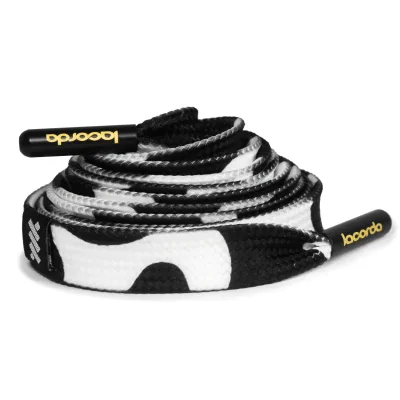
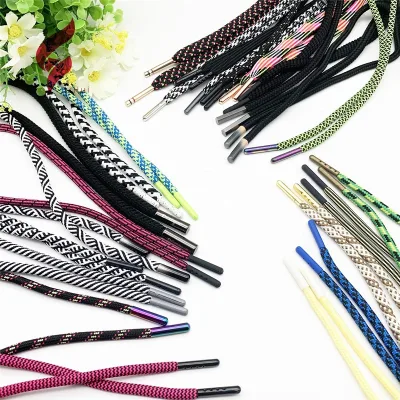


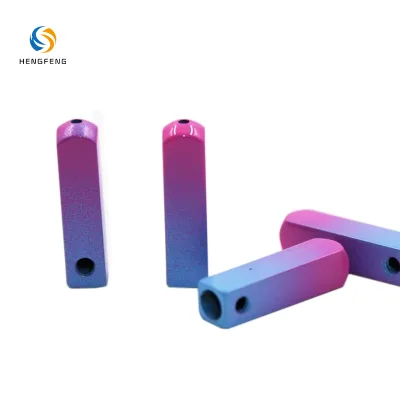
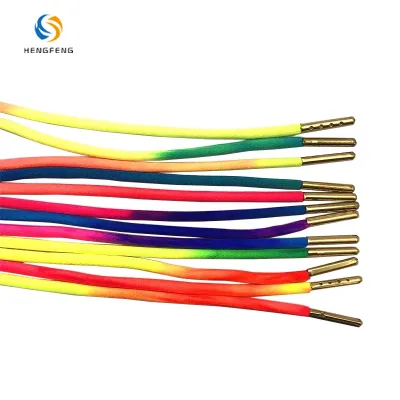
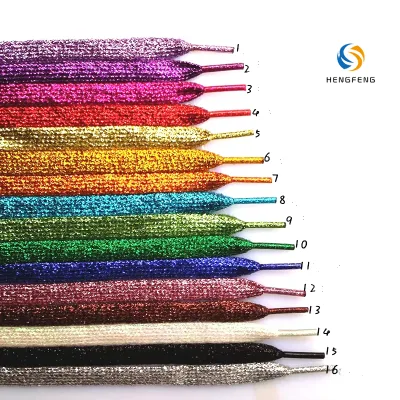
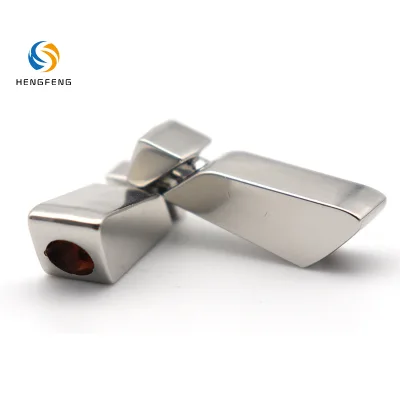
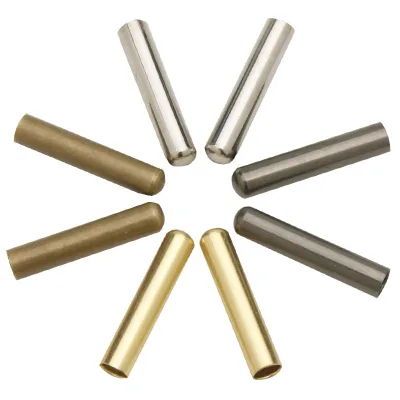


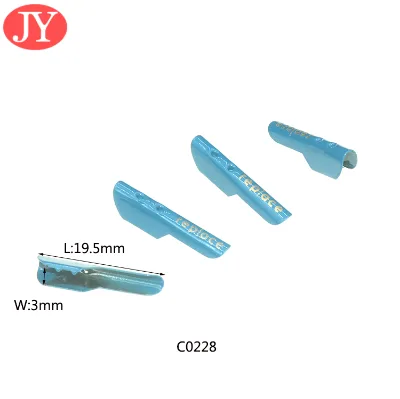
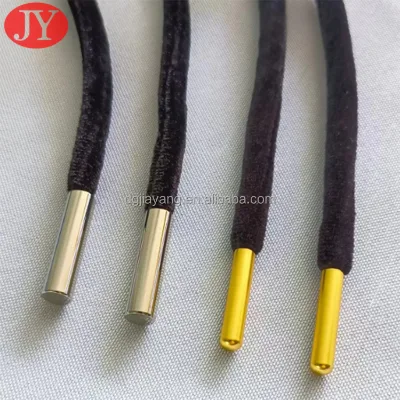
Comprehensive Sourcing Guide
Metal Shoelace Tip Sourcing Guide
Metal shoelace tips, commonly referred to as aglets, serve as critical functional components in footwear and apparel manufacturing. These small hardware pieces secure the ends of laces, preventing fraying and ensuring ease of threading through eyelets. In the B2B context, sourcing these items requires attention to material integrity, dimensional precision, and aesthetic consistency. Buyers must recognize that while the component is small, its failure can compromise the entire product’s durability and user experience.
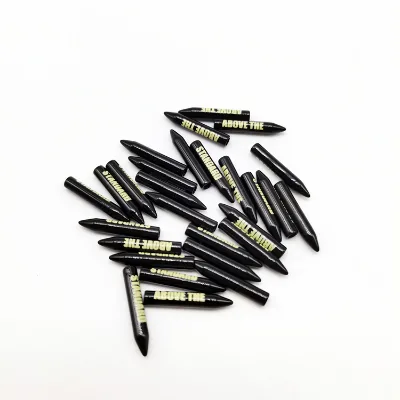
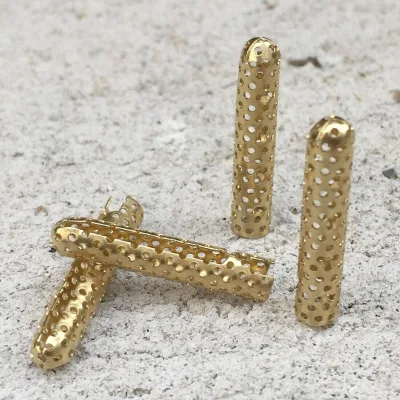
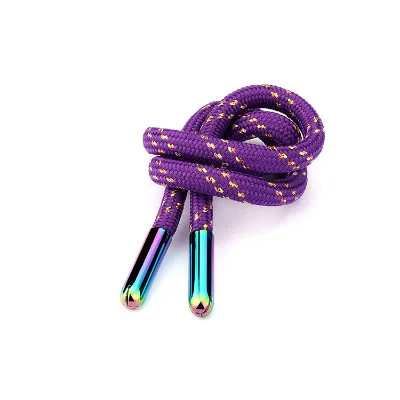
The market offers a variety of options ranging from standard brass and metal constructions to specialized polyester blends. Suppliers often provide customization services, including logo engraving, laser printing, and bespoke sizing to match specific cord diameters. Understanding the distinction between decorative and functional aglets is essential for procurement teams. Decorative versions may prioritize visual appeal with colors like gold, silver, or rose gold, while functional ones focus on mechanical strength and resistance to wear during daily use.
Product Scope and Observed Listing Signals
Current market listings indicate a diverse range of product attributes available from manufacturers, primarily based in Guangdong, China. Observed material specifications include brass, general metal, and polyester, catering to different durability and cost requirements. The observed price range spans from $0.02 to $0.60 per unit, reflecting variations in material quality, surface treatment, and order volume. This wide variance suggests that buyers should not rely solely on unit price but must evaluate the total cost of ownership, including tooling and setup fees for custom designs.
Minimum Order Quantities (MOQs) vary significantly, with observed ranges from 1 to 5,000 units, and specific listings citing MOQs of 300 pairs or 1,000 pieces. This flexibility allows both small-batch prototyping and large-scale production runs. Packaging is typically handled in polybags or boxes, with single package sizes ranging from minimal dimensions for bulk shipping to slightly larger boxes for retail-ready items. Buyers should verify if the listed MOQ includes mixed colors or if it applies strictly to single-color runs, as this impacts inventory management and production scheduling.
Technical Specifications to Verify
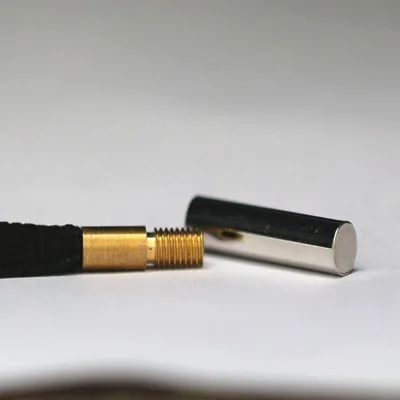
Dimensional accuracy is paramount when specifying metal shoelace tips. Suppliers offer customizable sizes, with common dimensions including 3x17mm, 3.5x17mm, and 4x18mm, among others. Buyers must verify the inner diameter and length to ensure a snug fit on the specific cord or lace material being used. Mismatched dimensions can lead to loose aglets that slide off or tight aglets that damage the lace fibers during installation. Requesting physical samples with precise caliper measurements is a standard best practice to validate these specifications before committing to bulk production.
Material composition and surface finish directly influence the product’s longevity and aesthetic appeal. Brass and metal aglets are often marketed as lead-free, nickel-free, and eco-friendly, which are crucial for compliance with international safety standards. Features such as water resistance and adjustability are also highlighted in product descriptions. Buyers should confirm the exact alloy composition and plating thickness, especially for colored variants like rose gold or bronze, to prevent tarnishing or color fading over time. Additionally, verify if the logo application method, such as laser engraving or printing, meets the required durability standards for washing and wear.
Compliance and Safety Documentation
Safety compliance is a non-negotiable aspect of sourcing metal hardware for consumer goods. Buyers must ensure that all metal shoelace tips comply with relevant chemical restrictions, such as REACH in Europe or CPSIA in the United States. The claim of being lead-free and nickel-free is significant, but it must be backed by third-party laboratory test reports. Without verified documentation, these claims remain unsubstantiated and pose a risk of regulatory non-compliance, potentially leading to product recalls or legal liabilities in target markets.
Environmental standards are increasingly important in the apparel industry. Eco-friendly certifications and sustainable manufacturing practices should be verified through supplier audits or recognized environmental management systems. Buyers should inquire about the sourcing of raw materials and the disposal of manufacturing waste. Ensuring that the production process adheres to strict environmental guidelines not only mitigates regulatory risks but also aligns with the brand’s corporate social responsibility goals. Requesting copies of recent test certificates for heavy metals and hazardous substances is a critical step in the qualification process.
Cost Drivers and Commercial Terms
Several factors influence the final cost of metal shoelace tips, including material costs, customization complexity, and order volume. Custom sizes and unique designs often incur additional tooling or setup fees, which can significantly impact the unit price for smaller orders. The choice of material, such as brass versus standard metal, also affects pricing due to fluctuations in raw material markets. Buyers should request a detailed breakdown of costs to understand how much is attributed to materials, labor, and overhead, allowing for more accurate budgeting and negotiation.
Payment terms and lead times are key commercial considerations that affect cash flow and supply chain reliability. Common payment methods include PayPal and Telegraphic Transfer (T/T), with specific terms varying by supplier. Lead times for samples and bulk production should be clearly defined, with some suppliers offering seven-day sample turnaround times. However, buyers must confirm if sample orders are supported and if rush fees apply for expedited production. Understanding these commercial terms helps in planning inventory levels and avoiding production delays that could disrupt downstream manufacturing schedules.
Supplier Qualification and Quality Control
Supplier qualification involves assessing manufacturing capabilities, quality management systems, and production capacity. Buyers should verify the supplier’s ability to handle custom designs and maintain consistent quality across large batches. Supply ability metrics, such as 100,000 pairs per week, indicate the scale of production, but buyers must also evaluate the supplier’s quality control processes. In-process inspections and final random inspections are essential to ensure that defects, such as burrs, discoloration, or dimensional inaccuracies, are minimized.
Establishing clear quality acceptance criteria is crucial for maintaining product standards. Buyers should define acceptable limits for cosmetic defects and functional performance, such as the strength of the aglet’s grip on the lace. Requesting a pre-production sample approval process ensures that the final product matches the agreed-upon specifications. Additionally, suppliers should provide a warranty or replacement policy for defective items, protecting the buyer from financial loss due to manufacturing errors. Regular communication and feedback loops help in continuously improving the quality of supplied components.
Long-Term Procurement Checks
Long-term procurement success depends on continuous supplier performance monitoring and relationship management. Buyers should track key performance indicators such as on-time delivery rates, defect rates, and responsiveness to issues. Regular audits and performance reviews help identify areas for improvement and ensure that suppliers remain aligned with the buyer’s quality and compliance standards. Building a strong partnership with reliable suppliers can lead to better pricing, priority production slots, and collaborative innovation in product design.
Adapting to market changes and evolving customer preferences is essential for staying competitive. Buyers should stay informed about trends in footwear and apparel design, such as new materials or aesthetic styles, to anticipate future demand for specific aglet types. Maintaining a diversified supplier base can mitigate risks associated with supply chain disruptions or geopolitical issues. By regularly reviewing and updating procurement strategies, buyers can ensure a steady supply of high-quality metal shoelace tips that meet both current and future business needs.
FAQs
What materials are used for metal shoelace tips?
Metal shoelace tips are primarily crafted from brass or other durable metals to ensure longevity and a premium finish. Some variations may incorporate polyester for specific textile applications. These materials provide the necessary rigidity to protect lace ends while offering a sleek aesthetic suitable for both functional and decorative purposes in footwear and apparel.
Can I customize the size of metal shoelace tips?
Yes, custom sizes are available to fit various cord and lace diameters effectively. Manufacturers offer tailored dimensions to ensure a secure fit for specific garment requirements. This customization allows buyers to match the aglet precisely to their product line, ensuring optimal functionality and aesthetic consistency across different types of shoes, hoodies, and accessories.
What is the typical MOQ for metal shoelace tips?
The minimum order quantity typically ranges from 300 to 1000 units, depending on the supplier and customization level. Some vendors may require higher volumes for standard items, while others accommodate smaller batches for custom designs. Buyers should verify specific MOQ requirements with manufacturers to align with their production needs and budget constraints effectively.
Are metal shoelace tips eco-friendly and safe?
Many metal shoelace tips are designed to be eco-friendly, lead-free, and nickel-free, ensuring safety for consumers. These features make them suitable for global markets with strict regulatory standards. Buyers can select options that prioritize environmental responsibility and user safety, ensuring compliance with international standards for textile accessories and footwear components.
How can I add a logo to metal shoelace tips?
Logos can be applied using printing, laser engraving, or embossing techniques on metal shoelace tips. These methods allow for clear, durable branding that withstands wear and washing. Buyers can choose the most suitable method based on their design preferences and budget, ensuring their brand identity is prominently displayed on the final product.
Where are metal shoelace tips typically manufactured?
Metal shoelace tips are commonly manufactured in regions like Guangdong, China, known for robust textile accessory production. This location offers access to skilled labor and efficient supply chains for metal and polyester components. Buyers sourcing from this region can benefit from competitive pricing and a wide variety of customization options for their specific needs.